Knowing an English word and using it in a conversation are different skills. You might understand a video or a written article, yet hesitate when someone asks what you think. Conversation practice gives you a chance to put that knowledge into your own sentences.
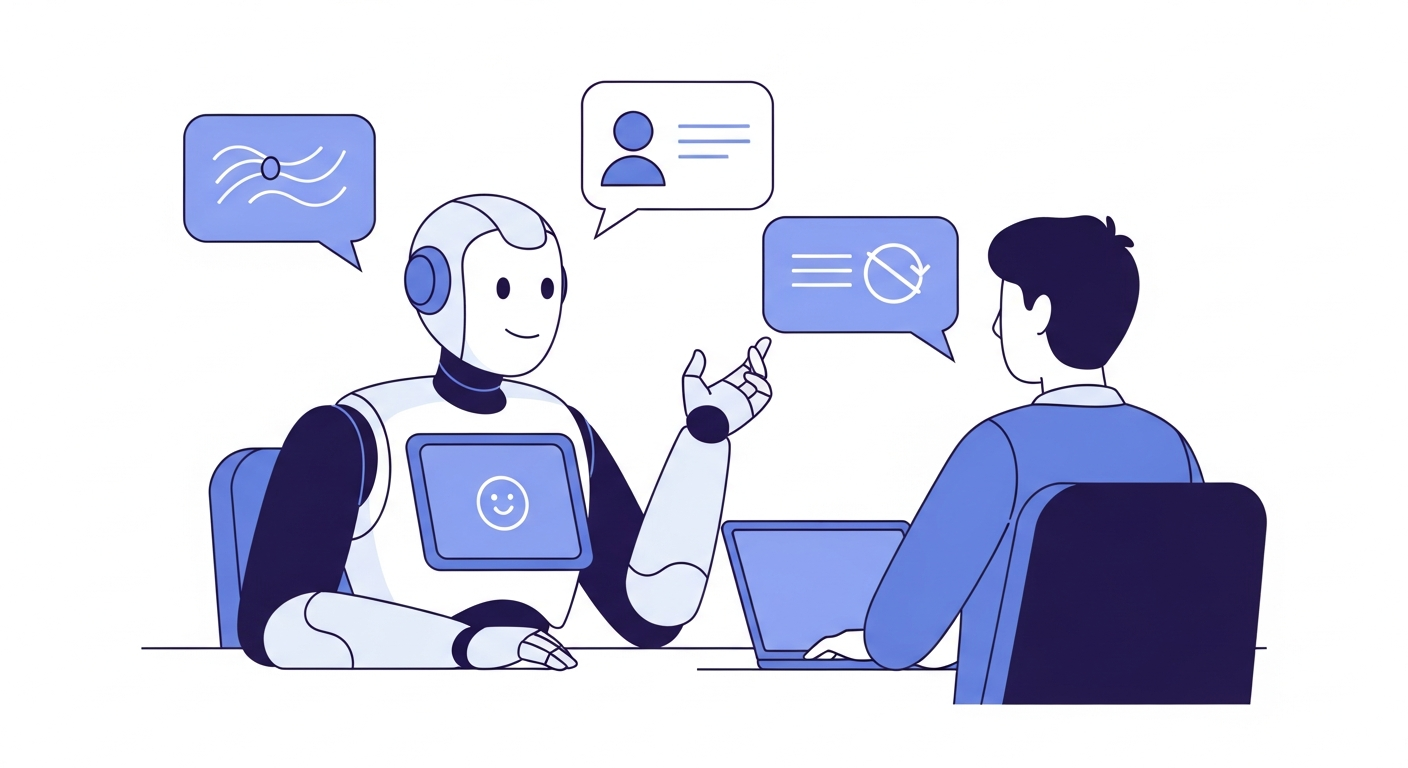
With Botreadyme, you can learn English in conversation with our AI on any topic of your choice. You do not need a job description, a resume, or an upcoming interview. Choose something you want to talk about, set your level, and start a discussion.
Start with something you actually want to discuss
A familiar topic gives you something to say while you practise how to say it. Your first session does not need to be a debate about a complicated subject. A recent trip, a favourite meal, a sport, or your daily routine can lead to a useful conversation.
Instead of entering a broad topic such as “travel,” try “a memorable trip and what I learned from it.” Instead of “technology,” try “how smartphones have changed my daily life.” A specific topic gives the tutor a clearer starting point.
Here are a few ideas:
- Everyday life: Describe your morning routine or how you spend a weekend.
- Food: Explain how to prepare a favourite dish.
- Travel: Talk about somewhere you have visited or would like to visit.
- Sport: Discuss a team you follow and a match you remember.
- Work: Describe a project, a challenge, or something new you learned.
- Opinions: Discuss whether working from home suits everyone.
You can revisit the same topic later to practise expressing your ideas more clearly.
How to start an English discussion in Botreadyme
1. Sign in and choose Learn English through topic discussion from your dashboard.
2. Enter the topic you want to discuss.
3. Choose Beginner, Intermediate, or Advanced to match the level of conversation you want to practise.
4. Select a 5-, 10-, or 15-minute session.
5. Start the conversation and respond to the AI tutor.
Starting a discussion uses the selected number of minutes from your account, and the timer begins immediately. Choose a duration you have time to complete.
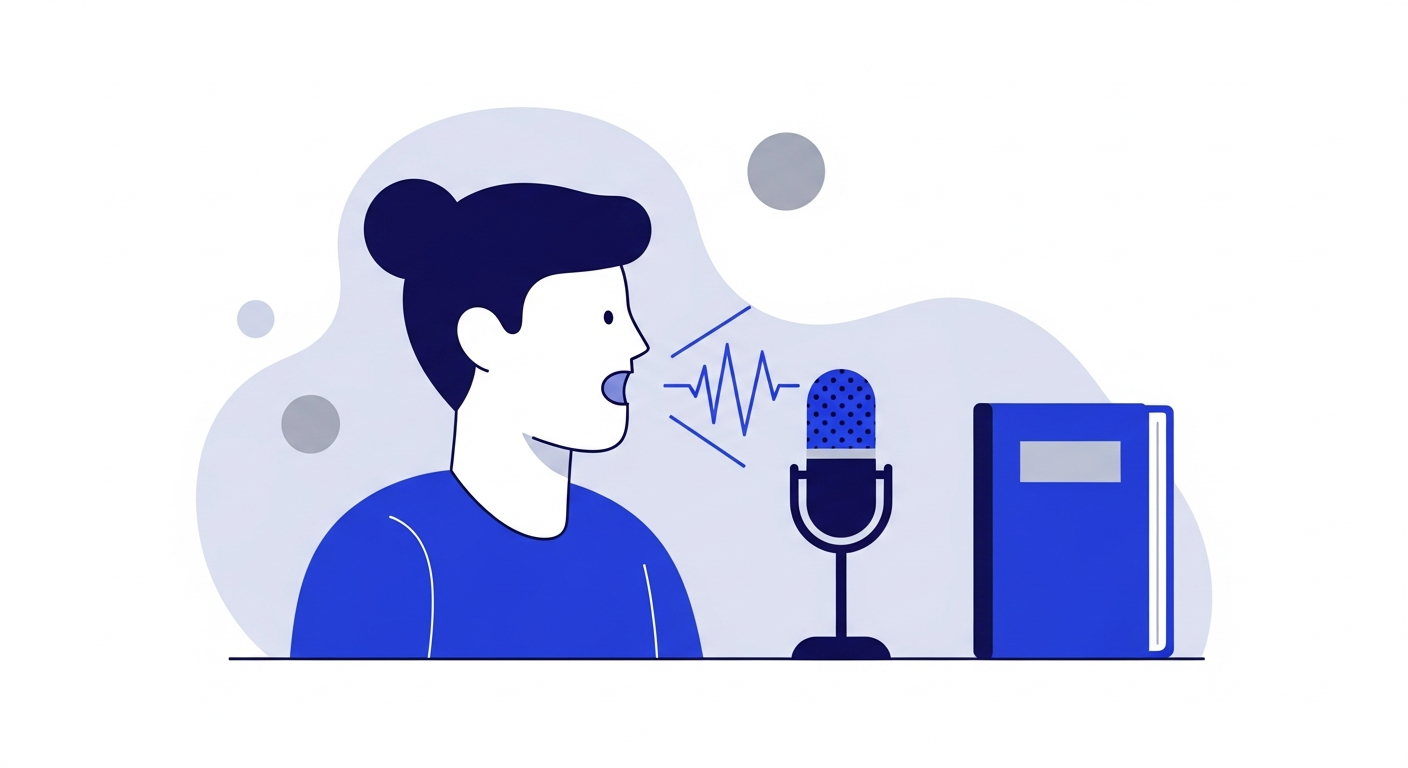
The tutor is set to speak automatically when you enter an active discussion, then listen for your answer. Your browser may ask for microphone permission or require a tap to allow audio playback. Headphones can help reduce feedback between your speakers and microphone.
Speak naturally — or type when you need to
The tutor asks questions around your chosen topic and follows up on your answers. Try explaining your point in a few sentences rather than giving only a one-word answer.
For example, if the tutor asks about a favourite place, you could describe where it is, when you visited, and why you remember it. This gives you practice connecting ideas instead of listing isolated words.
You can pause voice conversation and use the text input at any time. Typing is useful when your surroundings are noisy, your microphone is unavailable, or you want to think through a sentence before sending it.
Do not worry about making every sentence perfect. The purpose is to practise expressing yourself and then learn from the feedback.
Learn from your report, including during the trial
After a completed discussion with at least one answer, select Generate my report. English-learning reports are available to trial/free users as well as paid users.
The report focuses on:
- Grammar: Sentence structure, verb forms, agreement, and other patterns in your answers.
- Vocabulary: Your word choices and opportunities to express ideas more precisely.
- Clarity: How clearly your meaning comes across in the transcript.
- Corrections: Examples from your answers with improved wording and explanations.
- Next steps: Strengths to keep using and suggestions for further practice.
You can download the report as a PDF and return to saved discussions from Your conversations.
For example, a sentence such as “Yesterday I go to the market” could become “Yesterday I went to the market.” Rather than memorising just that correction, try another sentence about yesterday using the same past-tense pattern.
An important limitation: Feedback is based on the transcript, not an assessment of your pronunciation or accent. Speech recognition can mishear words or normalise some mistakes. Read the transcript alongside the feedback, especially when something does not match what you intended to say.
A simple routine for your next few sessions
Start with a five-minute discussion on a familiar topic. Read the report afterward and choose one correction to practise — perhaps past-tense verbs or connecting ideas with “because.”
In your next session, use that pattern in a new answer. You might describe a different trip, explain a recent decision, or tell a short story from your week. Review whether the same issue appears again, rather than focusing only on the score.
As you become more comfortable, try a more demanding topic or a higher difficulty level. Consistent practice can help you become more comfortable expressing yourself, but progress varies; no single session or score guarantees fluency.
English learning and interview preparation are different options
Botreadyme still offers job-specific mock interviews. That option is for rehearsing answers related to a role and receiving interview-focused feedback.
English topic discussions have a different goal: practising language through a conversation you choose, with feedback on grammar, vocabulary, and clarity. You can use English learning even when you are not looking for a job.
Ready to start talking?
Choose a topic you could happily discuss for five minutes. You do not need an impressive subject — you need something that gives you a reason to speak.
Use the Get Started button to sign in to Botreadyme, then choose Learn English through topic discussion. Have your first conversation, review the feedback, and pick one thing to practise next.
Ready to practice for real?
Paste your job description, upload your resume, and take a live AI mock interview with detailed feedback. Your first 30 minutes are free.
Start Practicing Free